In a nutshell
- Interlaken sits at around 570 metres between Lake Thun and Lake Brienz. It often has no lying snow while the runs above it are in full winter.
- Arriving to wet streets and concluding the season has not started is the standard visitor mistake. The sledding happens a long way above the hotel window.
- January and February are the most reliable months for snow at the altitudes these runs use. December can be excellent or thin depending on the year.
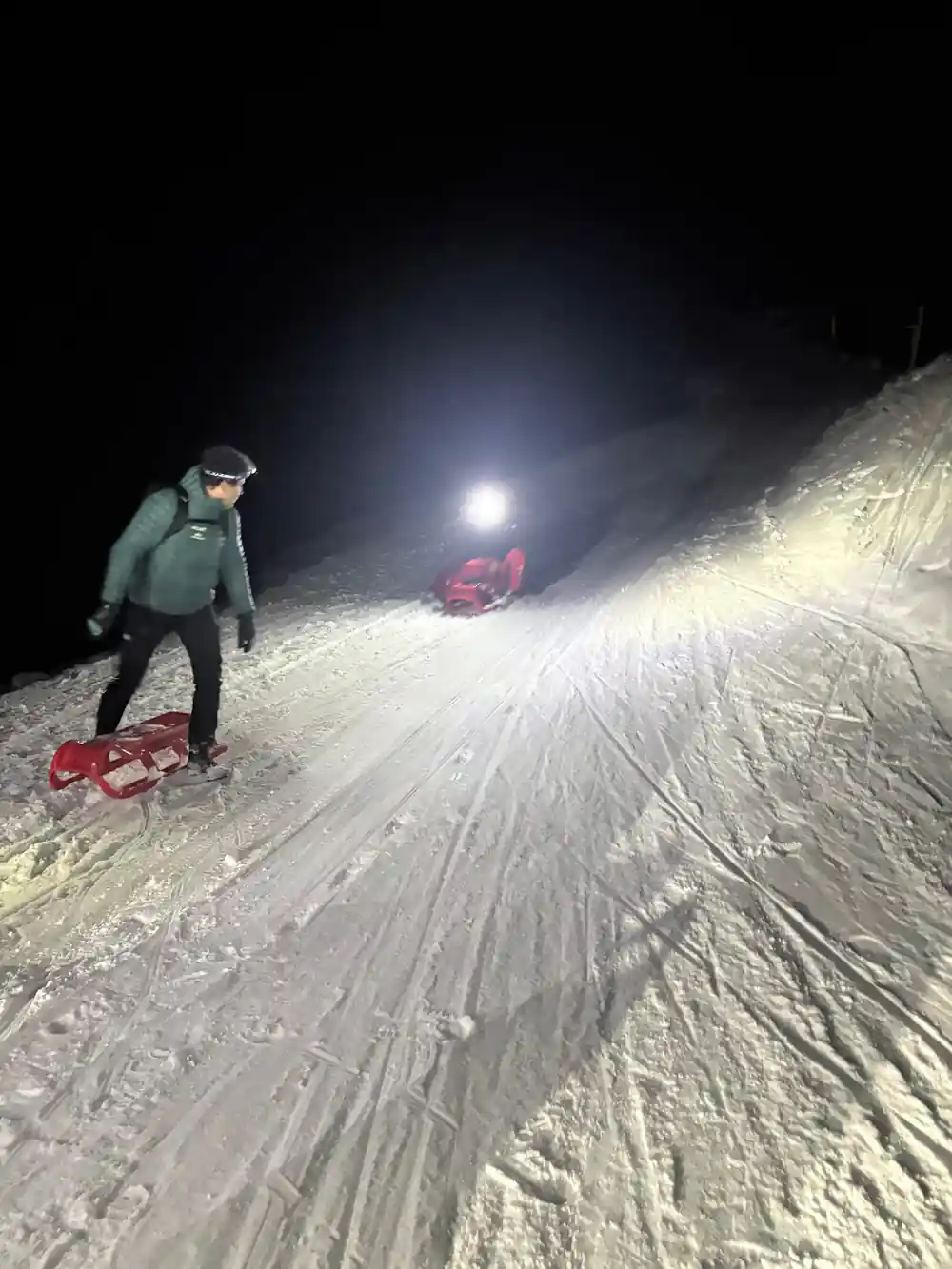
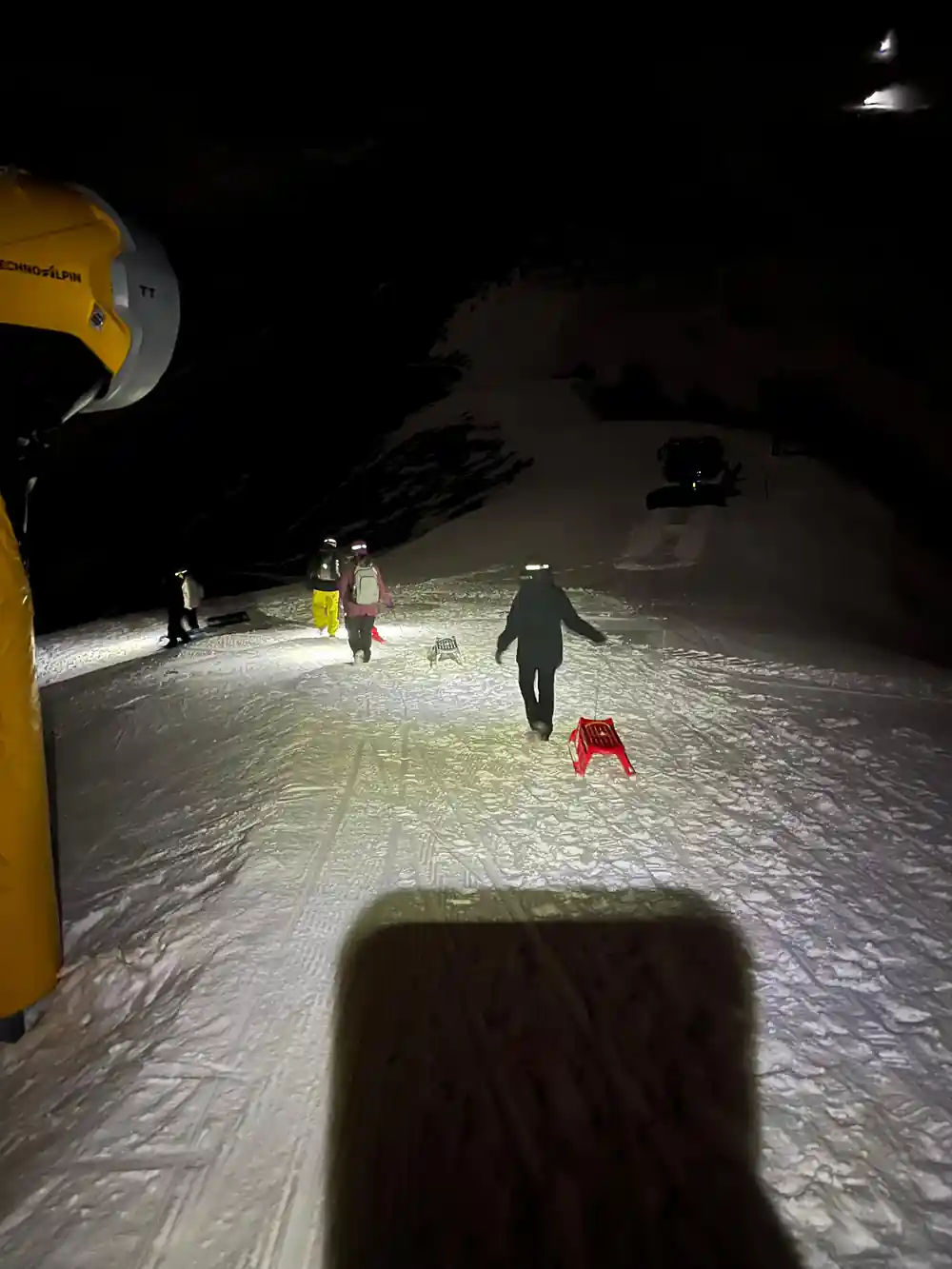
- A night on the mountain in winter is below zero on most evenings the tour runs, and colder again once you are moving down the track.
Why the town and the mountains disagree
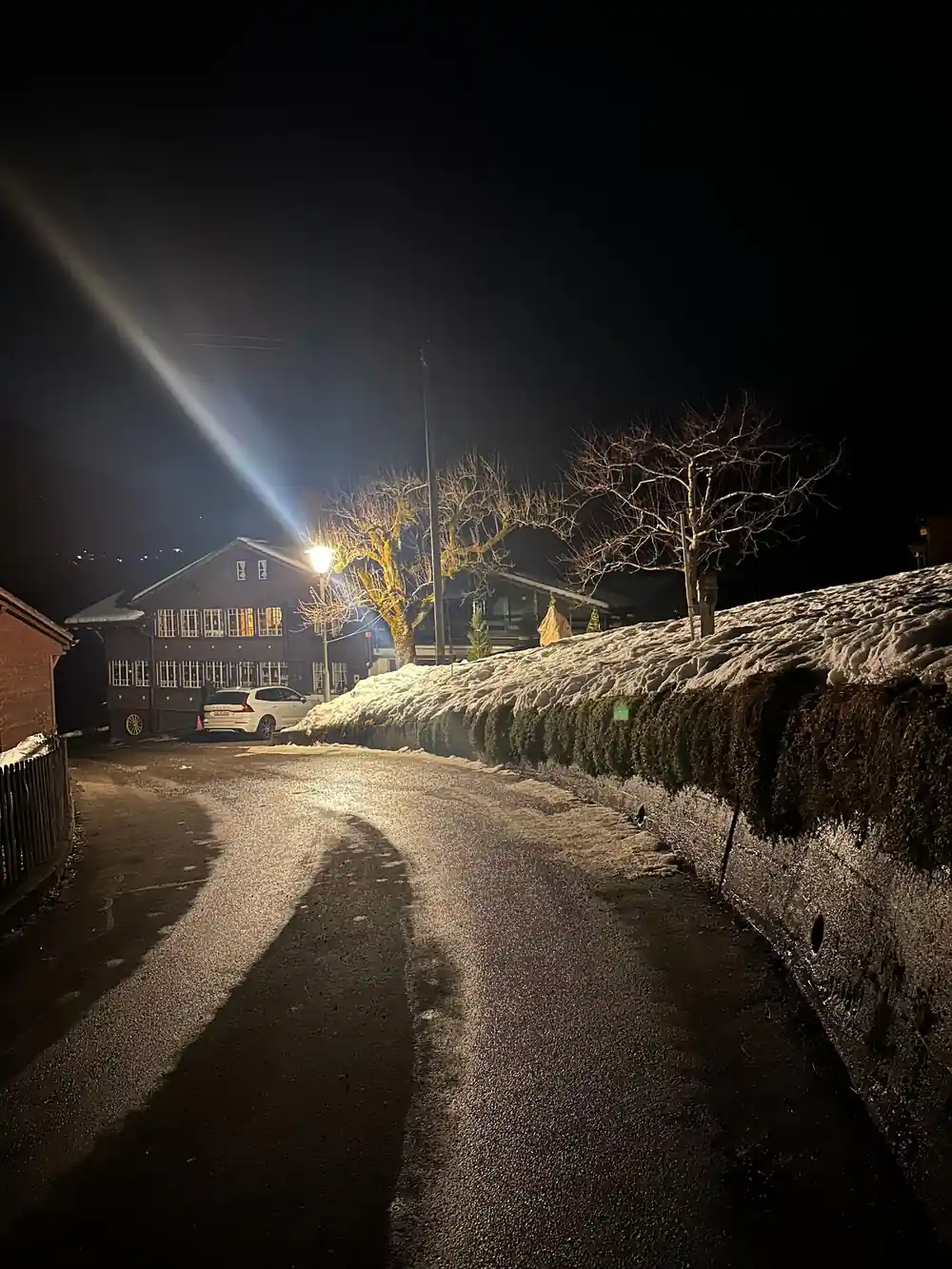
Interlaken occupies the flat strip of land between two lakes, at roughly 570 metres. In alpine terms that is low ground, and low ground in the Bernese Oberland spends a good part of the winter without a covering of snow. Visitors arrive, see wet pavements and green fields, and conclude that they have come at the wrong time.
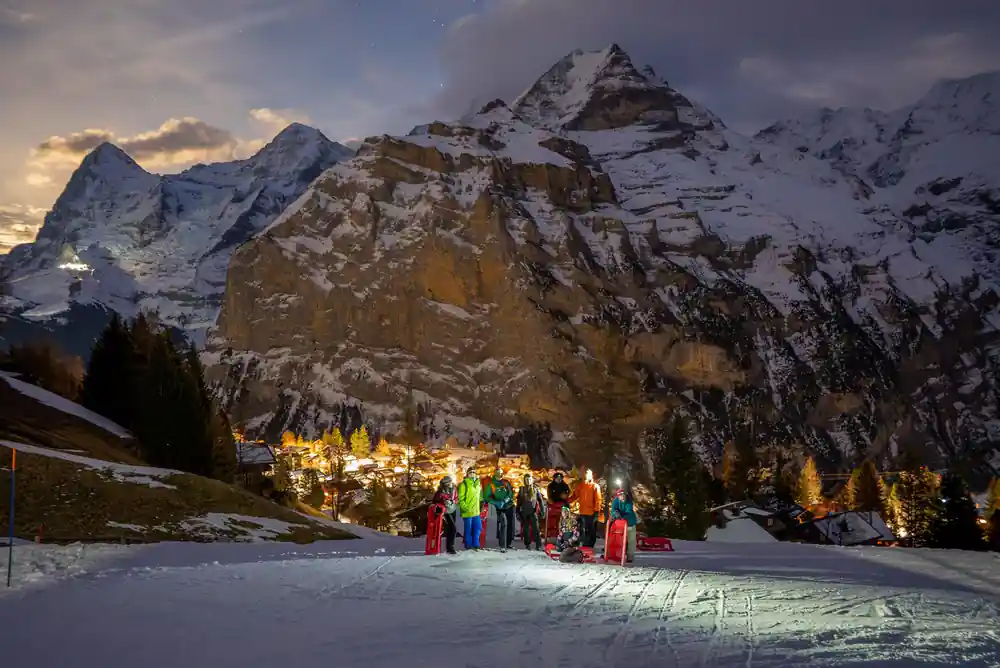
Meanwhile the mountains on either side rise thousands of metres above that valley floor, and they operate on an entirely different calendar. The peaks and the high pastures are in winter long before the town is, and they stay in it long after.
This is the single most useful thing to understand about a winter visit here. The conditions that matter for a sledding evening are the conditions up there, and they are not observable from a hotel window.
When the season actually runs
Winter activities in this region generally run from some point in December through to March, and the exact edges of that move every year with the snow. Early December is the least predictable: some years the high runs are already excellent, others the cover has not arrived in depth.
January and February are the dependable middle. Snow has usually accumulated at the altitudes these runs use, the grooming is established, and the nights are long enough that a night descent does not require staying up late. March can be superb and can also be a thaw.
Because this particular tour moves its venue with the snow, the season it can operate in is longer than any one fixed run would allow. That flexibility is worth something at both ends of the winter.
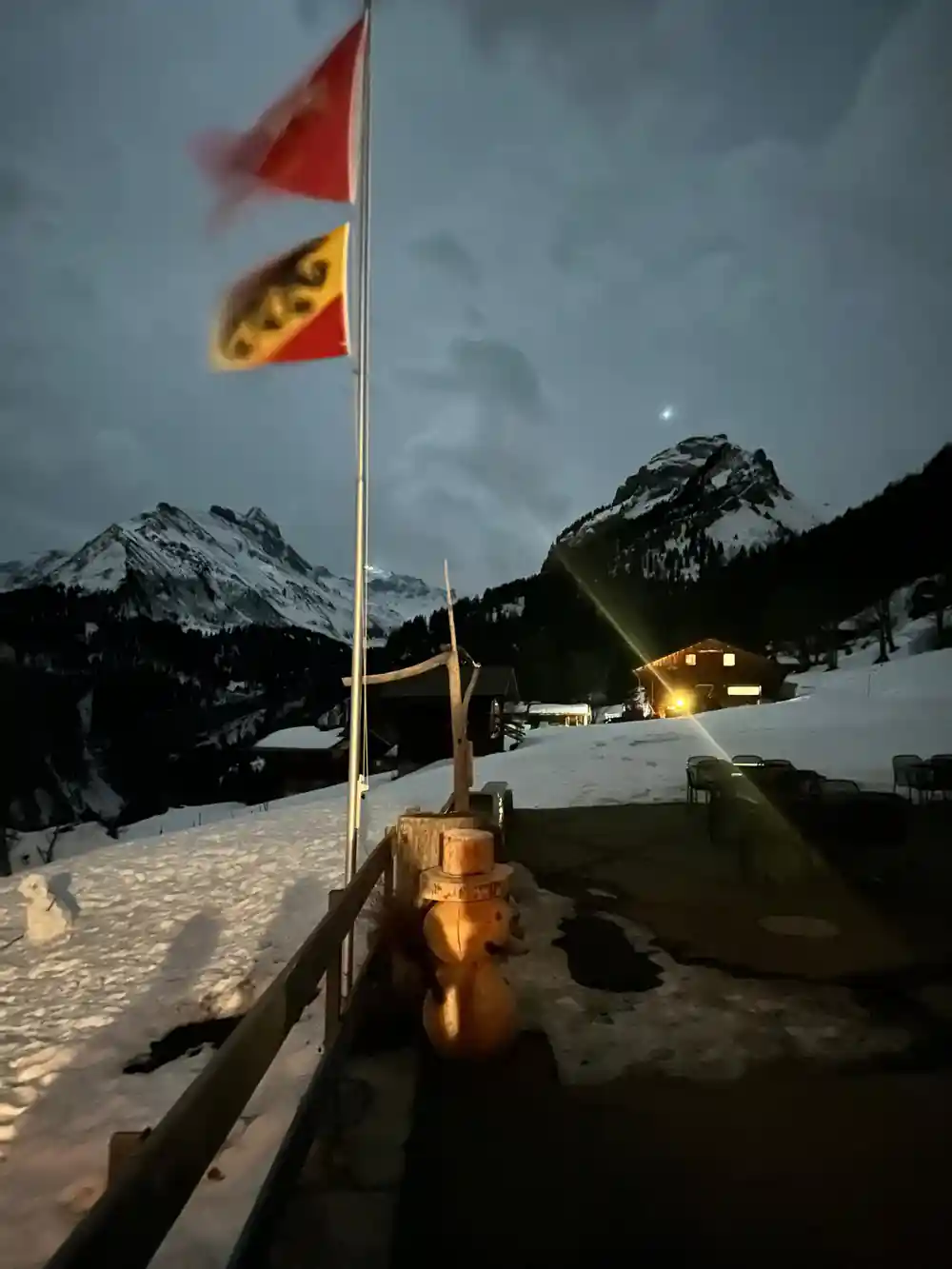
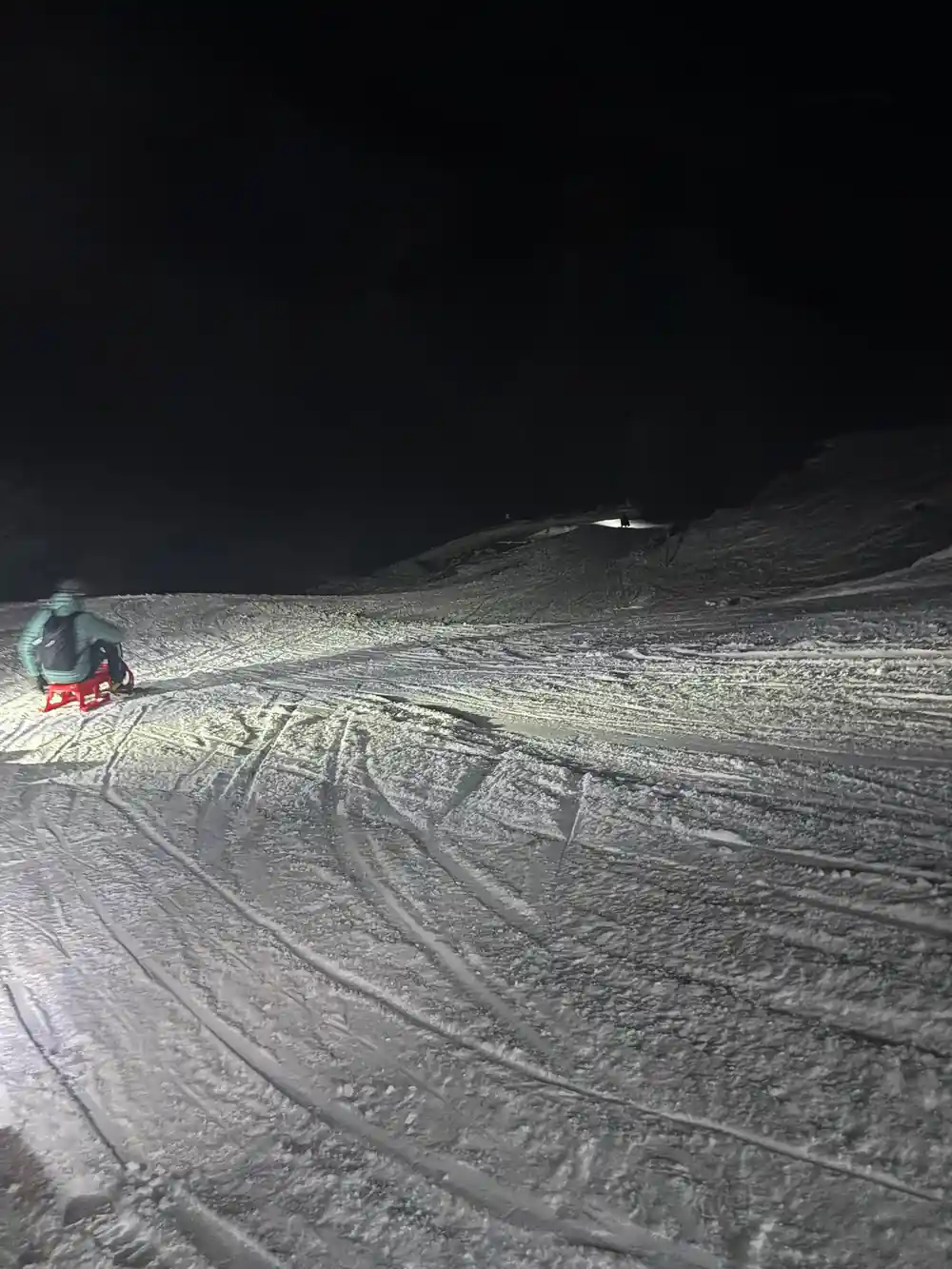
A green valley floor under mountains that are already deep in winter
How cold a night on the mountain gets
Below freezing on most evenings the tour runs, and meaningfully colder than the valley figure you might look up before travelling. Temperature falls with altitude, and you are being taken well above the town.
Then there is the wind you make yourself. On the faster sections of a descent you are moving through still air quickly enough that the effective temperature drops again, which is why the clothing advice on this tour is emphatic rather than polite. Warm winter clothing is not included and can be rented at the meeting point.
The compensation is that you are working. Gripping, steering and bracing generate real heat, and most people are warmer coming down than they were standing at the top. The cold parts of the evening are the briefing and the stops.
Daylight, darkness and why a night tour fits
Alpine valleys lose the sun early. Interlaken is hemmed in by high ground on both sides, so even on a bright winter day the direct light goes off the valley floor well before the official sunset, and dusk is a long, blue, drawn-out affair.
That works in favour of an evening activity. A night tour is not stealing time from a daylight one, because the daylight was going to end early anyway, and it means a winter day here can hold both a normal afternoon and a mountain evening.
It also means the dark arrives at a civilised hour. A night descent in January does not require waiting until late; the mountain is properly dark long before dinner.
570 m
The town sits at about 570 metres, low enough to spend much of the winter without lying snow while the runs above it are fully in season.
What else a winter evening here holds
Interlaken is a compact town built around visitors, so an evening has options within walking distance of most accommodation. The lakeside is worth a look in winter for the simple reason that the two lakes rarely freeze and reflect the lit slopes on a clear night.
The bigger point is that the town is a base rather than a destination in itself. It exists at the junction of two lakes and several valleys precisely because everything interesting is a short journey away, and that logic holds after dark as much as during the day. An evening here is a question of which direction to travel in, not of what there is to do.
For most visitors the winter evening question is simply whether to spend it indoors or on a mountain, and this tour exists because the second answer is available for three hours without any equipment of your own.
Booking around a variable winter
Cancellation on this tour is free, which is the right structure for an activity that depends on snow. Check the terms at the time of booking so you know what the window is, and treat that as your protection against a poor week rather than trying to predict the season from home.
If your dates are fixed and narrow, aim for the middle of the winter rather than its edges. If your dates are flexible, book close in and let the conditions decide, which is the luxury option and by some distance the best one.
And do not judge the snow by the forecast for Interlaken. Ask about the mountain, because that is where you are going, and a valley forecast at 570 metres describes a place you will only be standing in for the first twenty minutes of the evening.
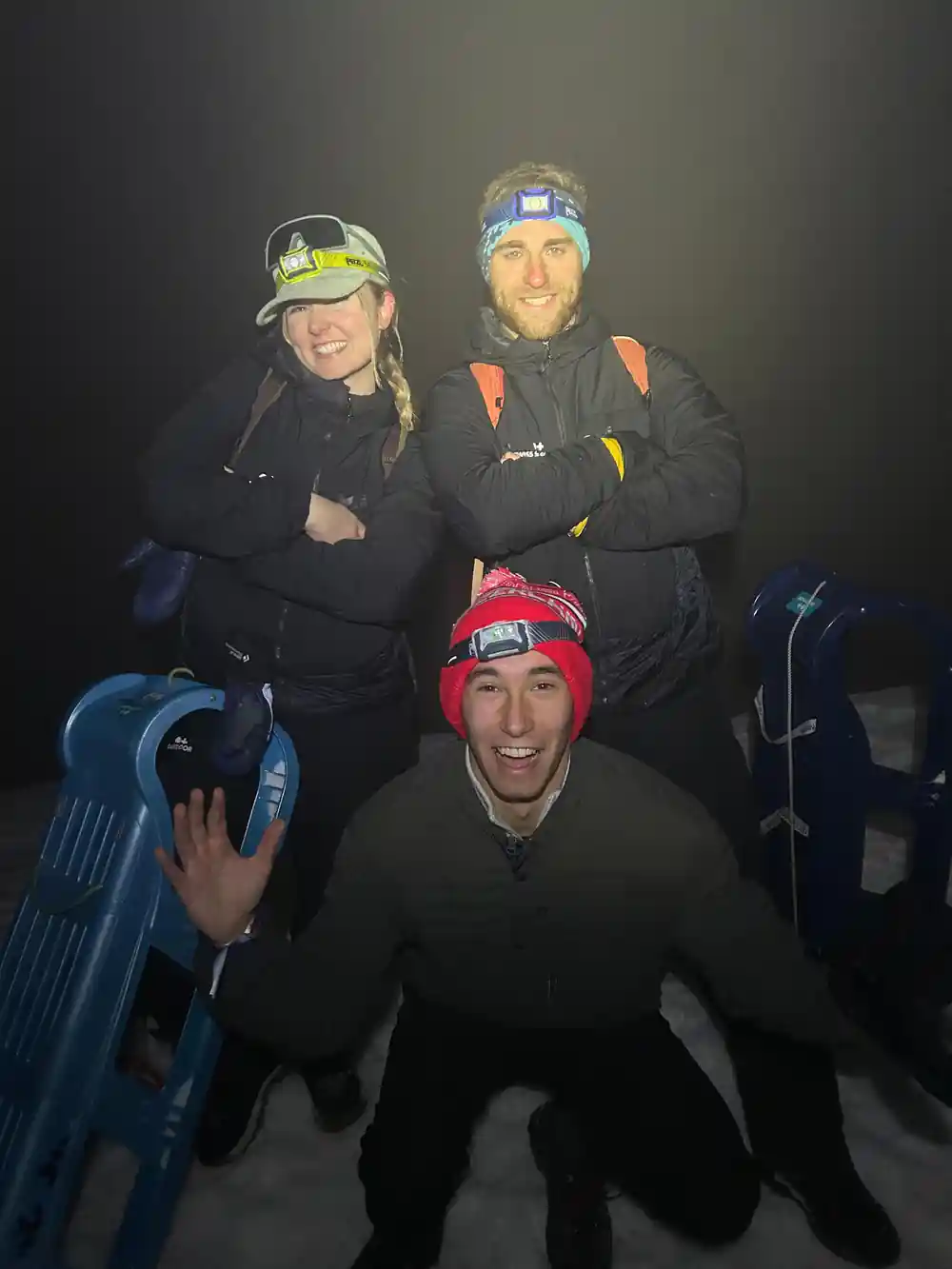
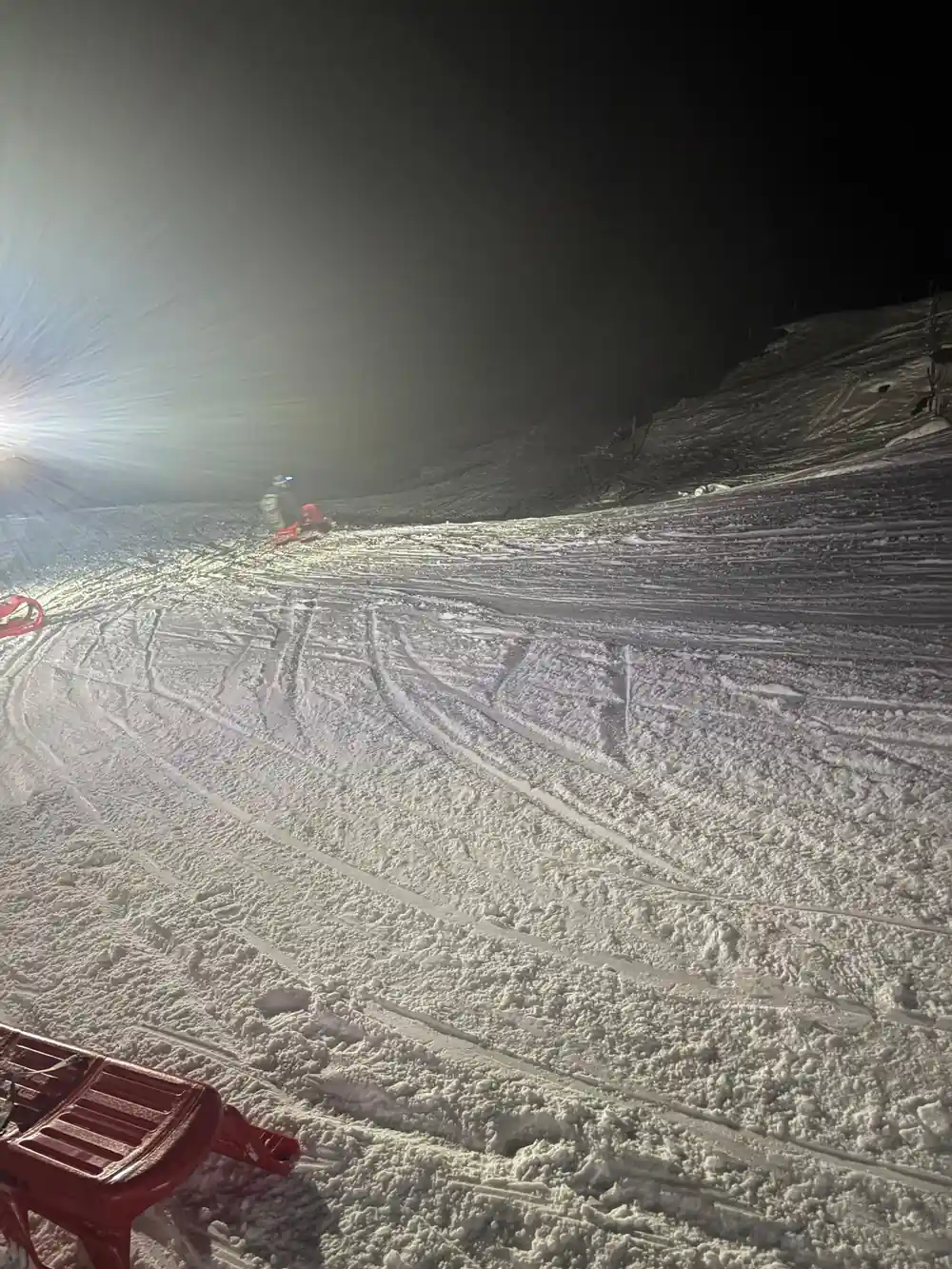
A winter evening that starts where the snow actually is
from US$123Reserve now & pay later