In a nutshell
- The tour states plainly that the night sledding location may change depending on snow conditions. That is a feature of a winter season, not vagueness.
- Snow arrives at different altitudes at different times. A run that is perfect in January can be thin in early December, and the operator follows the cover.
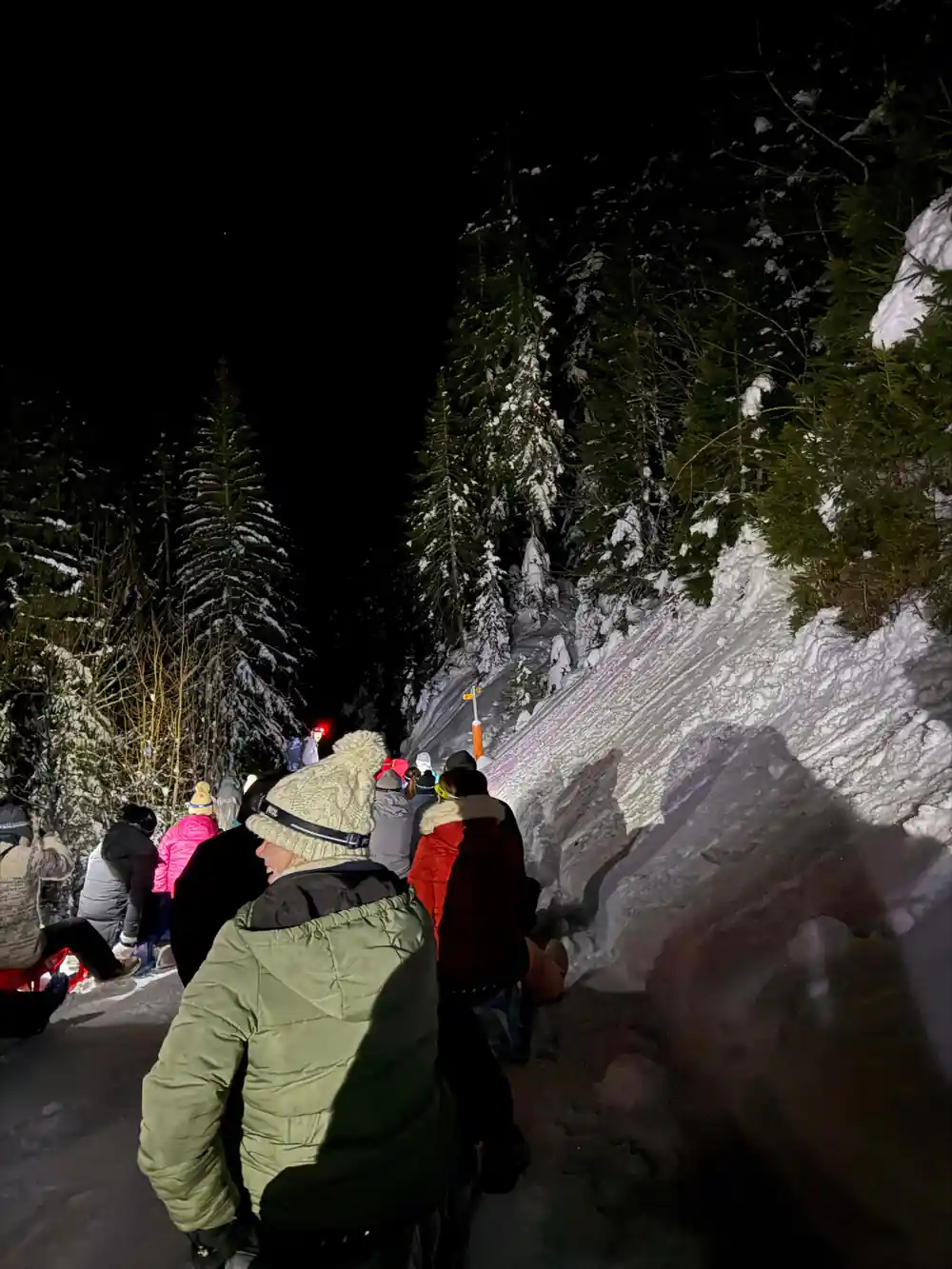
- Up by lift, a briefing at the top, a groomed descent through woodland and open alpine ground with a guide in front. Only the specific track moves.
- Which run is used is decided close to the date. Ask the operator if it matters to you, but the answer will always depend on the snow.
What the tour actually commits to
The conditions on this tour say that depending on snow conditions the night sledding location may change. That is an unusually honest thing to publish and it is worth reading as a strength rather than as a gap. An operator that names one run and sticks to it regardless of cover is either lucky with its snow or willing to run a poor track.
What is committed to is the structure: you meet in Interlaken, you are transported up into the mountains, a gondola ticket is included, there is a briefing at the top, and a guide rides a groomed descent with you. Three hours, one sled each, boots if you need them.
What is not committed to is a specific named mountain, and this page exists because that is the question a visitor most wants answered and the one the booking page cannot answer in advance.
Why snow moves the venue
Snow in the Bernese Oberland does not arrive evenly. It falls at altitude first and works downwards through the season, and it does that at a different rate every year. A run whose top station is high may hold a good surface in early December while a lower one is still grass, and by February the situation can be entirely different.
Aspect matters as much as altitude. A north-facing slope keeps its snow through sun that would strip a south-facing one, so two runs on the same mountain at the same height can be in completely different conditions on the same night.
Then there is preparation. A sledging track has to be groomed, and grooming depends on there being enough depth to work with. A thin track is not merely less fun, it is a track with rocks and earth in it, which is the point at which sledding stops being a good idea.
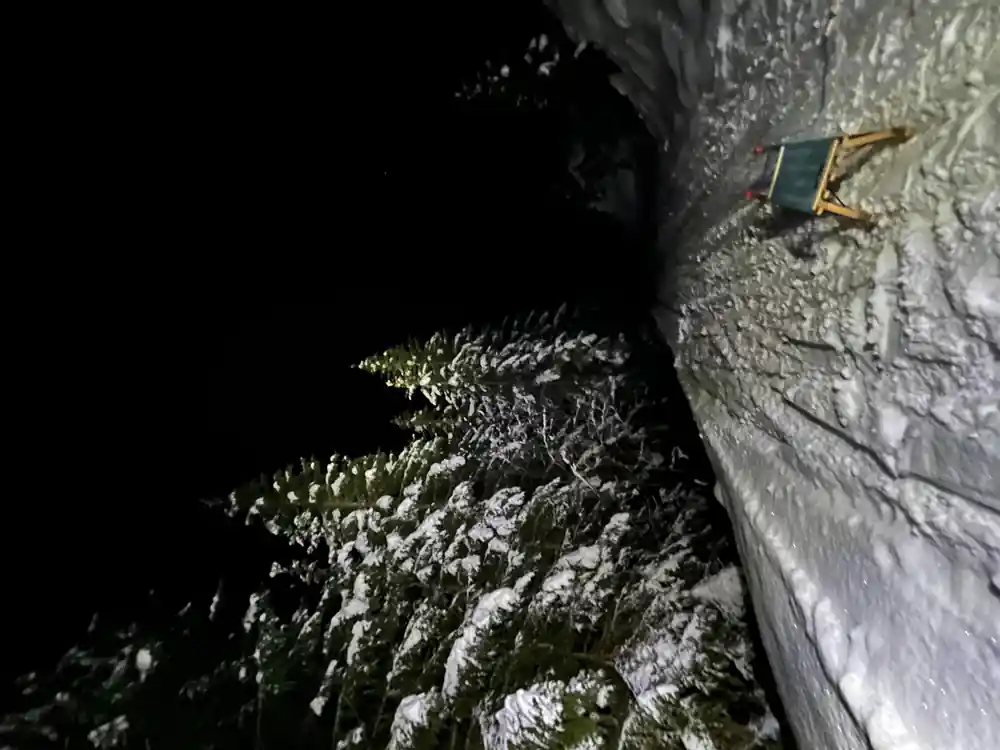
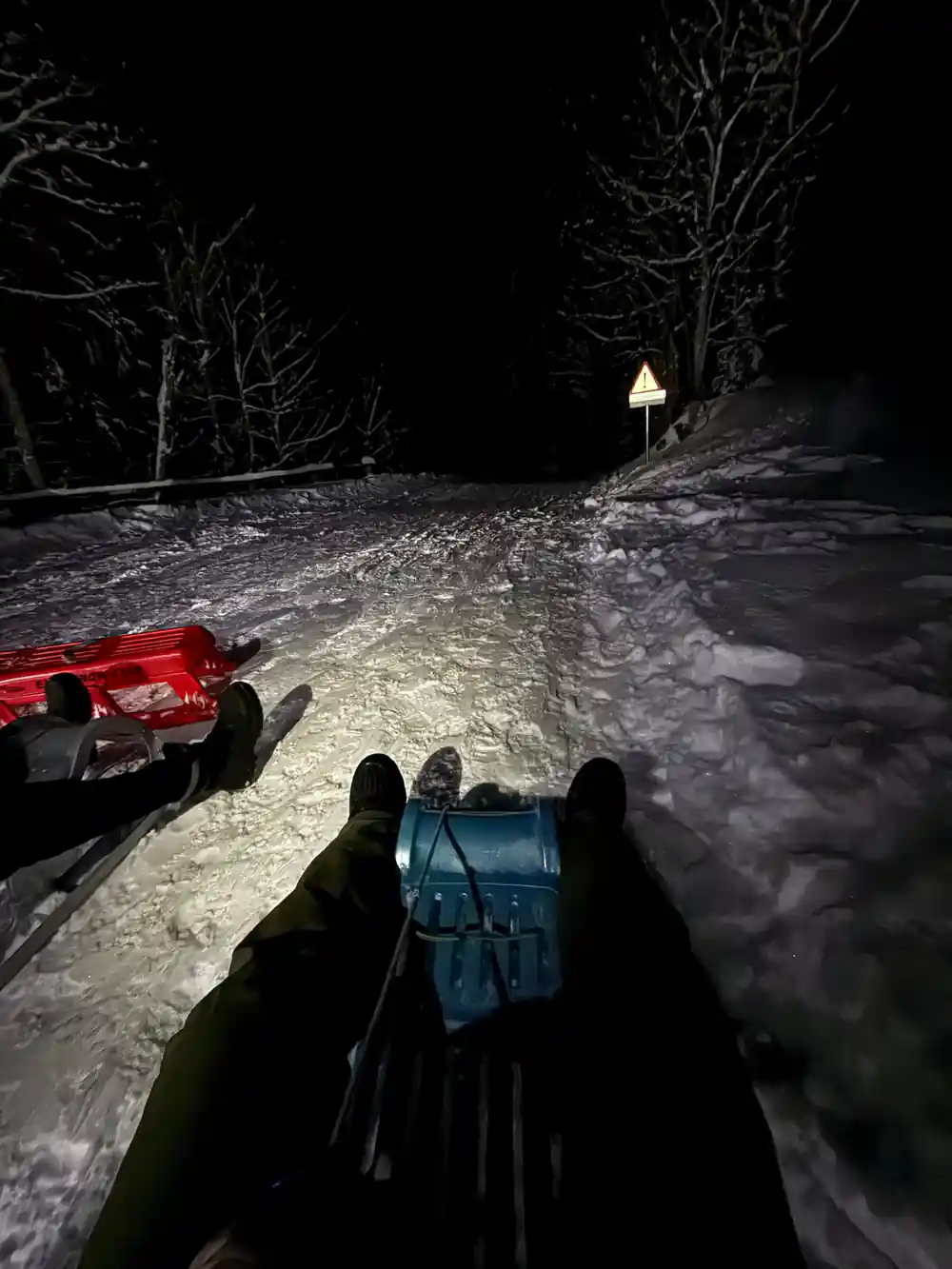
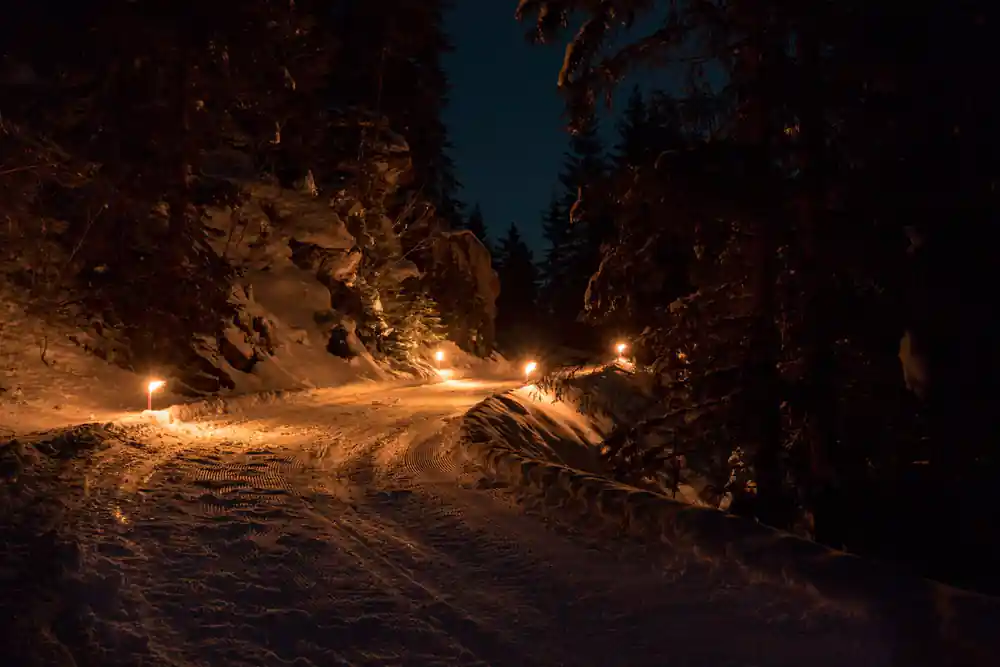
A groomed track winding down through trees, somewhere above the valley
What stays constant whichever run is used
The terrain type is consistent even when the location is not. These are prepared winter sledging runs in the mountains above Interlaken: routes that follow summer paths and forestry roads, winding down through woodland and across open alpine ground, with a groomed surface and a defined line.
The tour's own description of the setting mentions woods, alpine meadows and frozen water along the way, and that mix is characteristic of the region rather than of one particular track. You are descending through the same kind of landscape whichever run the snow sends you to.
The management is constant too. Guide in front, group in a line, regular stops to regroup, briefing before anyone rides. Those are the things that decide what the evening is like, and none of them depend on which mountain you are on.
How far from Interlaken
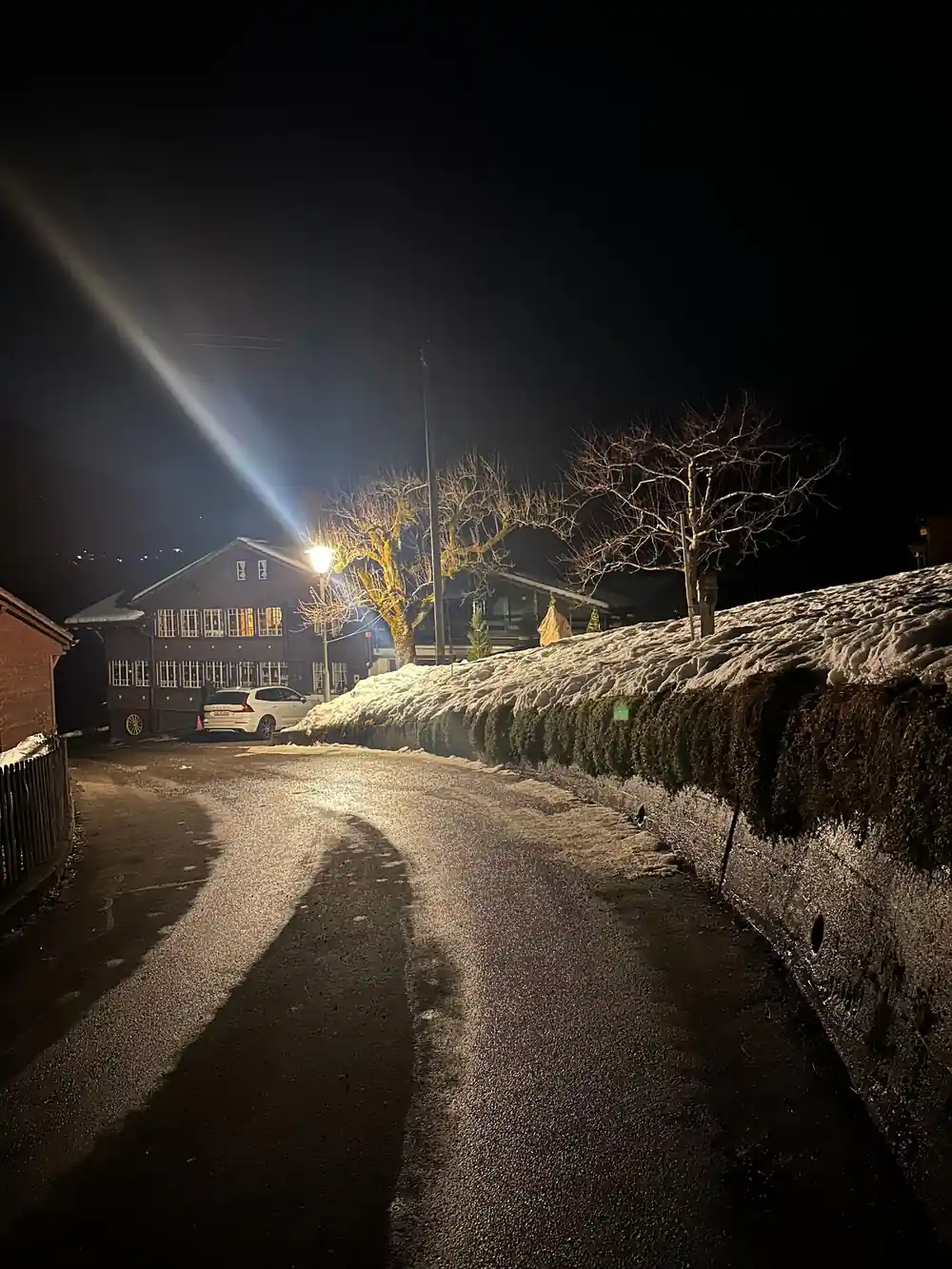
Interlaken sits in the flat valley between two lakes at around 570 metres, which is low. The sledding is not in the town: it is up in the mountains that rise on both sides, reached by transport and then by lift, both of which are included in the tour.
That vertical gap is the whole reason this works. The valley floor may have no lying snow at all while the runs above it are in full winter, which surprises visitors who arrive in Interlaken, see wet streets and assume the season has not started.
In practical terms it means you should judge the conditions by what the operator says about the mountain rather than by what you can see from your hotel window.
570 m
Interlaken sits at about 570 metres between its two lakes. The sledding runs are far above it, which is why a green valley says nothing about the snow.
Does the route change through the season
It can, and for the same reasons. Early season tends to favour higher ground, midwinter opens up more options, and late season depends entirely on how the thaw is progressing at different altitudes. A tour running from December to March is not necessarily running the same descent throughout.
This also means that two people describing the same tour from different months may genuinely be describing different runs, which is worth remembering when reading reviews. Comments about the length or steepness of the track are true of the night the writer went.
What does not change through the season is the format and the inclusions, so a review about the guide, the equipment or the organisation is transferable in a way that a review about a specific corner is not.
What to ask, and when
If knowing the exact venue matters to you, ask the operator close to your date rather than at the time of booking, because the honest answer earlier is that it depends. They will know what the snow is doing far better than any forecast you can read from home.
If it does not matter to you, then the flexibility is working in your favour: it means the tour goes to the best available snow on the night rather than to the same tired track regardless. That is the whole argument for not naming a run.
And if the snow fails everywhere, that is what free cancellation is for. Check the terms when you book so you know where you stand on a bad winter, because a season that refuses to arrive is the one thing no operator can arrange around.
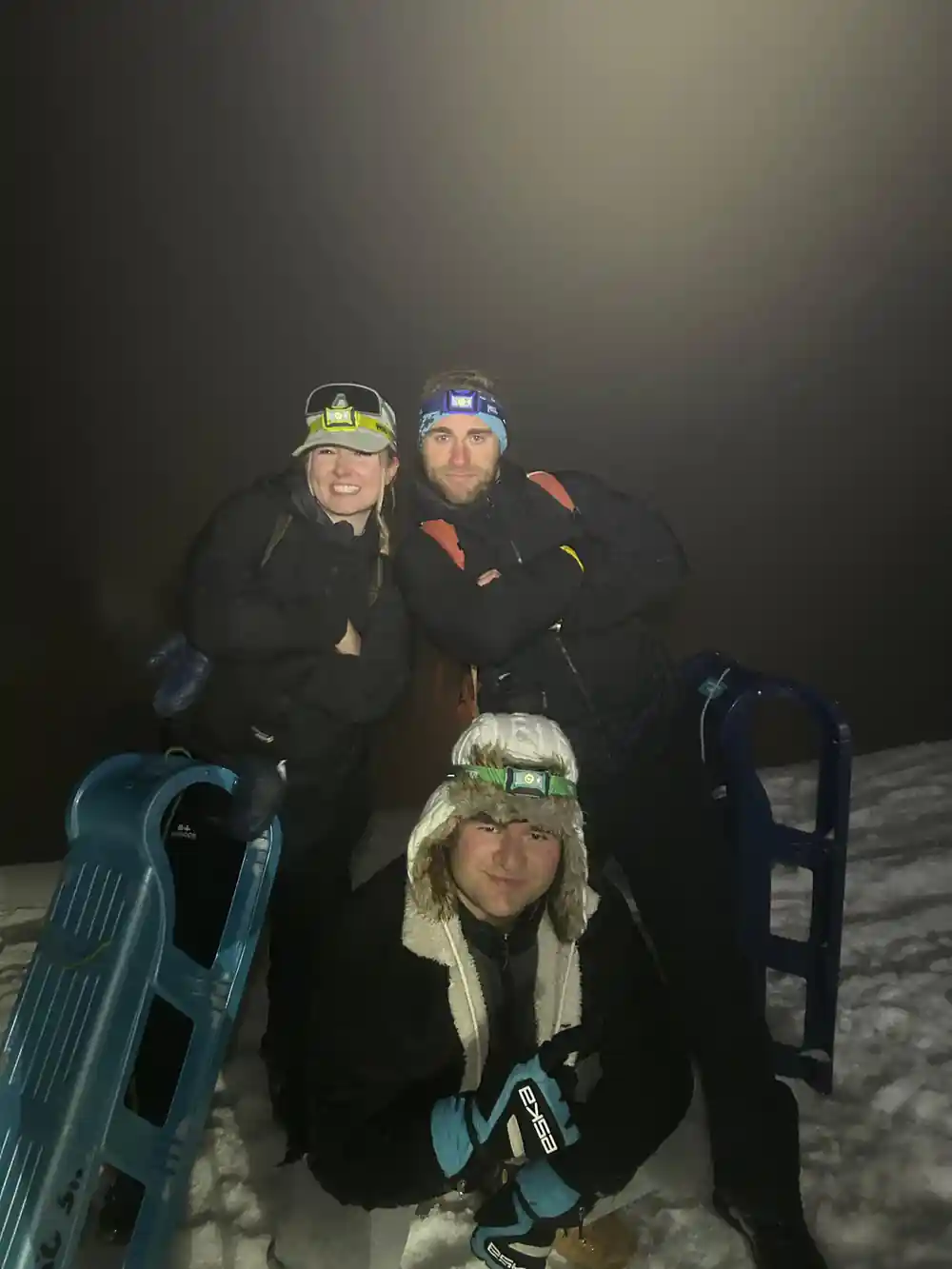
The run follows the snow, and so does the evening
from US$123Reserve now & pay later