In a nutshell
- The same activity in different Englishes. Americans sled and go sledding; the British sledge and go sledging. Neither is more correct than the other.
- This is the one real distinction in the family. A sleigh is drawn by horses or dogs; a sled you ride under gravity. Sleigh riding is not this activity.
- Strictly it is a flat-bottomed board that rides on its whole surface. In Alpine usage the word has drifted to mean the runner sled you will actually be given.
- German-speaking Switzerland calls the sled a Schlitten and the activity Rodeln or Schlitteln. Those are the words on the signs and the timetables.
Sledding, sledging and sled riding
These are the same thing said three ways. Sledding is standard American usage, sledging is standard British usage, and sled riding is a regional American variant you will hear in parts of the north-east and Pennsylvania. None of them describes a different activity and none of them is the correct one.
The confusion is worth resolving mainly because it affects what you type into a search box. An English-speaking visitor looking for this activity in the Alps will find results scattered across all three terms plus several local ones, and assuming your own word is the universal one is how people conclude that a place does not offer something it very much does.
For what it is worth, the noun is older than any of the arguments. Sled, sledge and sleigh all descend from the same northern European root, and English simply kept all three and gave them slightly different jobs.
Sleigh riding is a different thing
This is the one distinction in the family that genuinely matters. A sleigh is a vehicle pulled by something else: horses, traditionally, or dogs. You sit in it, wrapped in a blanket, and somebody or something else provides the motive power. The romance of a sleigh ride is precisely that you are being carried.
A sled, in the sense used here, is powered by gravity and steered by you. Nothing pulls it. That makes it a fundamentally different experience: active rather than passive, fast rather than stately, and considerably colder in the face.
So if you are asking whether it is sleigh riding or sledding, the answer for this tour is unambiguous. There is no horse. You go down a mountain under your own weight, steering with a lean and braking with your heels.
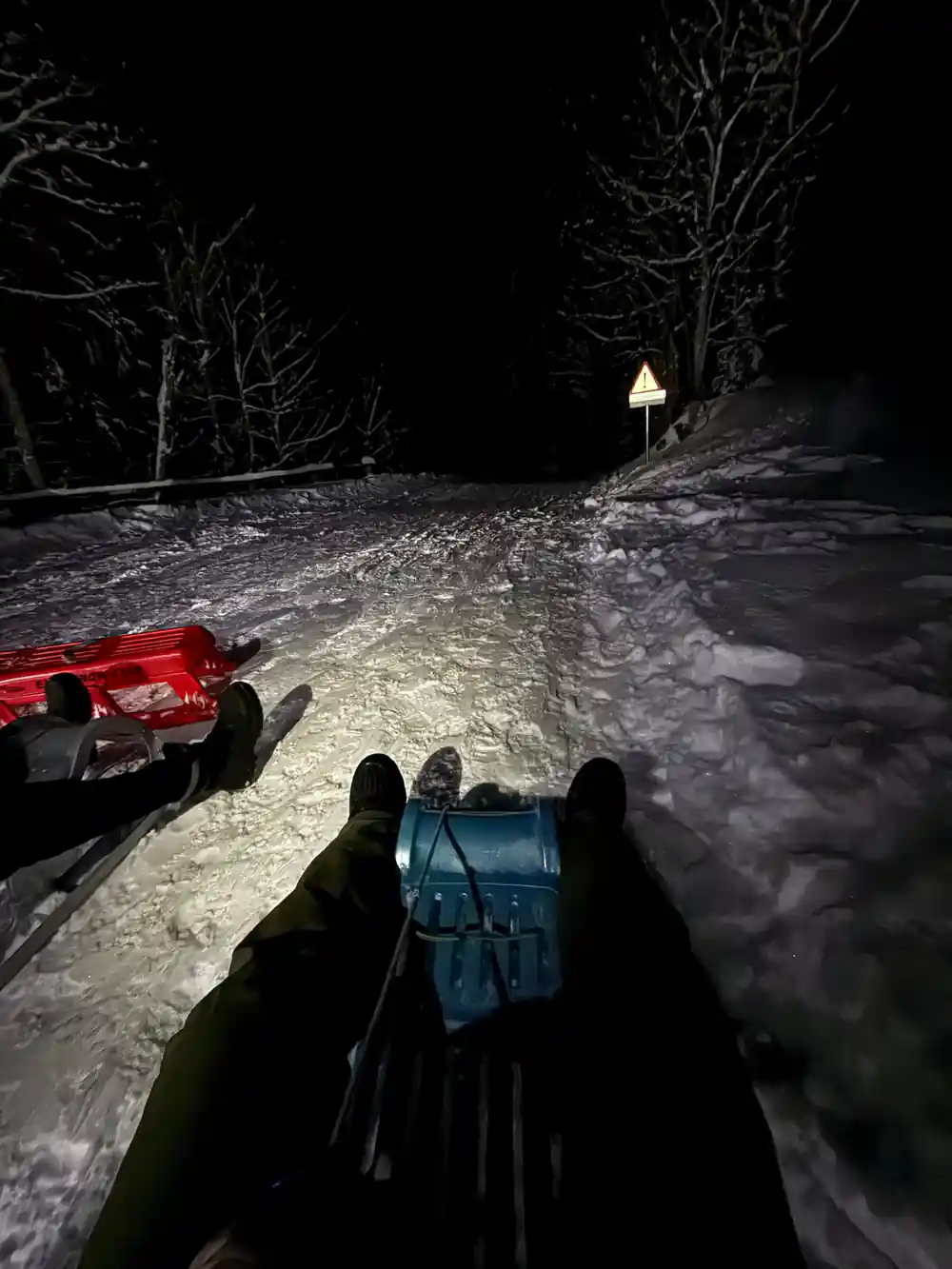
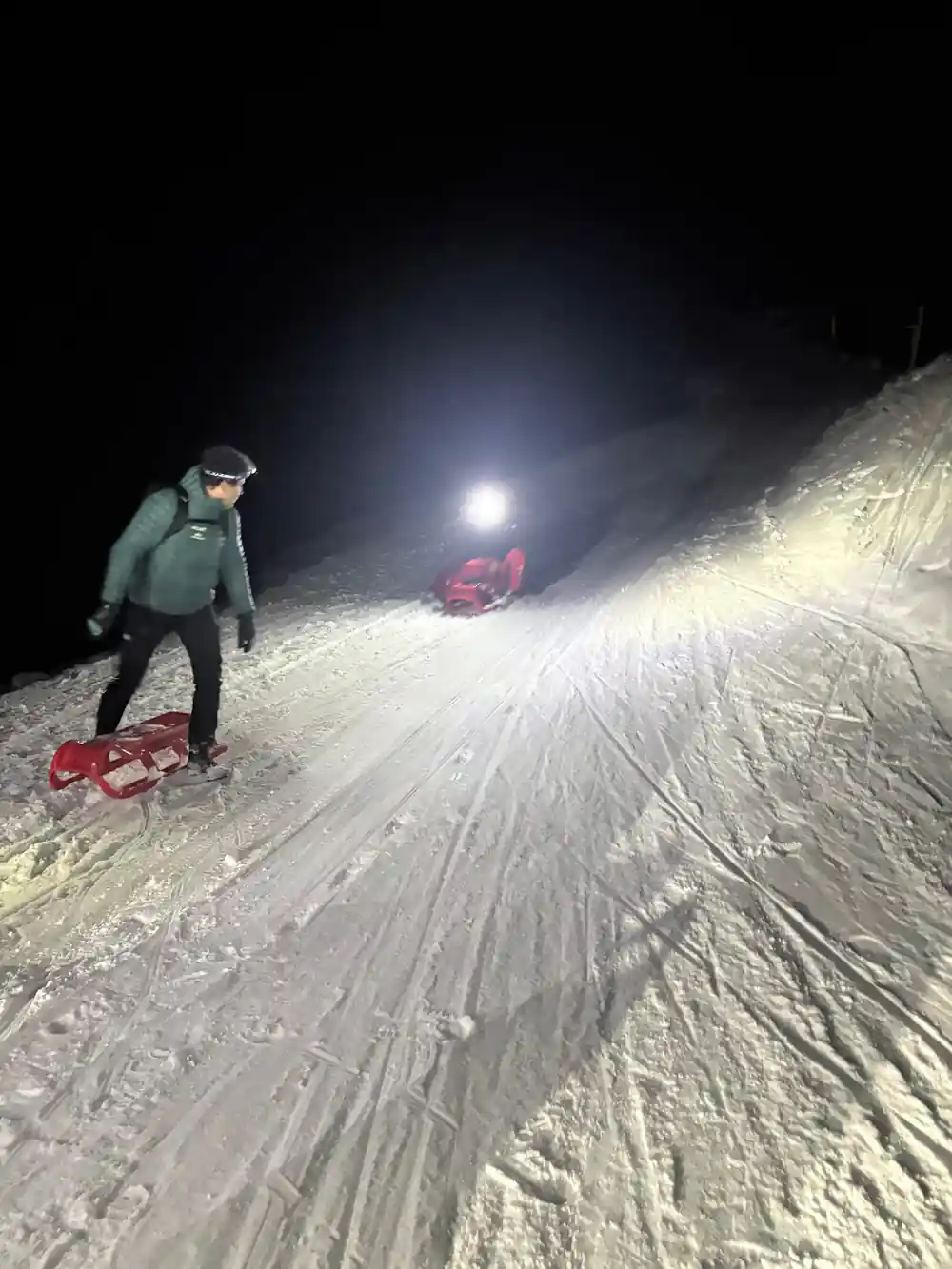
A Schlitten: wooden frame, steel-shod runners, slatted seat
What a toboggan actually is
In its strict original sense, a toboggan is a flat-bottomed sled with no runners at all, riding on its whole surface, with the front curled up. The word comes from the languages of the north-eastern woodlands of North America and the design is genuinely ancient.
In modern Alpine usage that precision has largely gone. Signs, tour listings and English-language descriptions across Switzerland, Austria and Italy use toboggan and toboggan run to mean exactly the runner sled and the groomed track described everywhere on this site. If you see a night toboggan run advertised in the Alps, it is this.
There is a third thing that shares the name: the toboggan of Olympic bobsleigh and skeleton fame, which is a different sport entirely on an ice track. Nobody offers that to visitors on an evening out.
Luge, which has two meanings
Luge is French for sled, and in French-speaking Switzerland and France it is the ordinary everyday word for both the object and the activity. A luge run in that sense is a sledging track and a family will talk about going for a luge in the way an English family talks about going sledging.
It is also the name of an Olympic sport where a single rider lies feet-first on a small sled on a refrigerated ice track at speeds that have nothing to do with an evening on a mountain. Both meanings are correct and the context always makes it obvious which is meant.
The overlap is harmless right up until somebody reads that a resort has a luge run and pictures an ice channel and a helmet, when what is on offer is a groomed track through the woods.
The words that matter in Switzerland
Interlaken is in the German-speaking part of the country, and the local vocabulary is what appears on signs, lift timetables and the operators' own pages. The sled is a Schlitten. The activity is Rodeln, or in Swiss usage very often Schlitteln. A prepared track is a Rodelbahn or Schlittelweg.
Knowing those four words is genuinely useful for a visitor. They are what a lift company's winter page will use when telling you whether the run is open, and a machine translation of a Swiss mountain site will often leave them untranslated.
In French-speaking areas you want luge and piste de luge; in Italian-speaking areas slittino. The country changes vocabulary within a couple of valleys, which is a very Swiss problem to have.
Does the word change the equipment
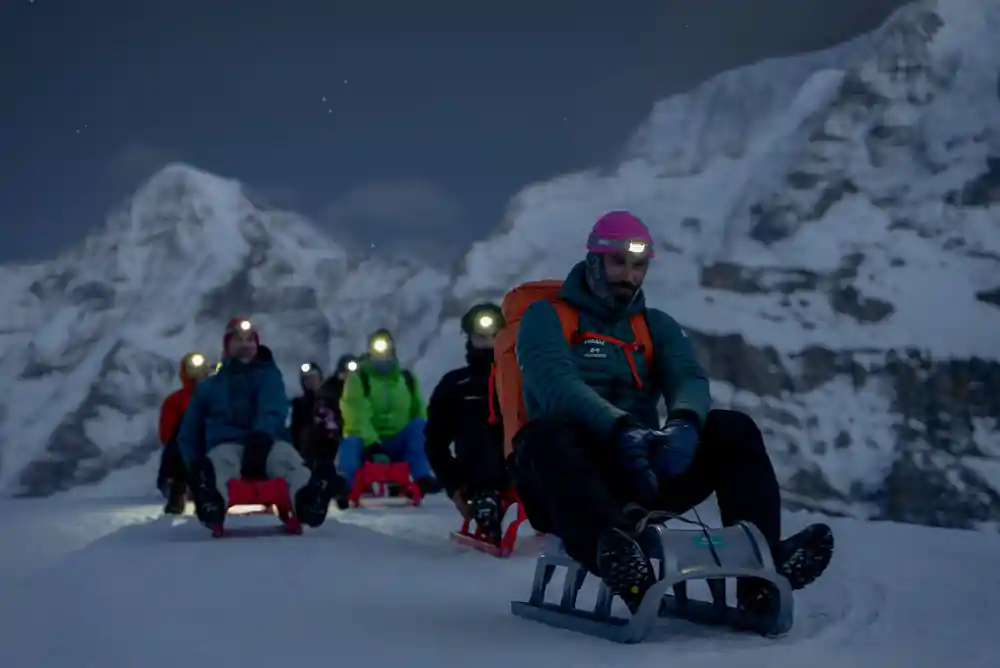
Occasionally, but rarely in a way that affects a visitor. A traditional Alpine Schlitten is wooden with steel-shod runners and a slatted seat; a modern hire sled may be metal or composite with a steering aid. Both are runner sleds, both are steered by leaning and braked with the heels, and both are what you will be handed.
The genuinely different objects are the flat toboggan with no runners, which you will not meet on a groomed Alpine run, and the competitive luge, which you will not meet at all.
So the practical answer to the whole question is that the words are largely interchangeable and the equipment is not in doubt. Whatever it is called on the booking page, you are getting a runner sled, a groomed track and a mountain to come down.
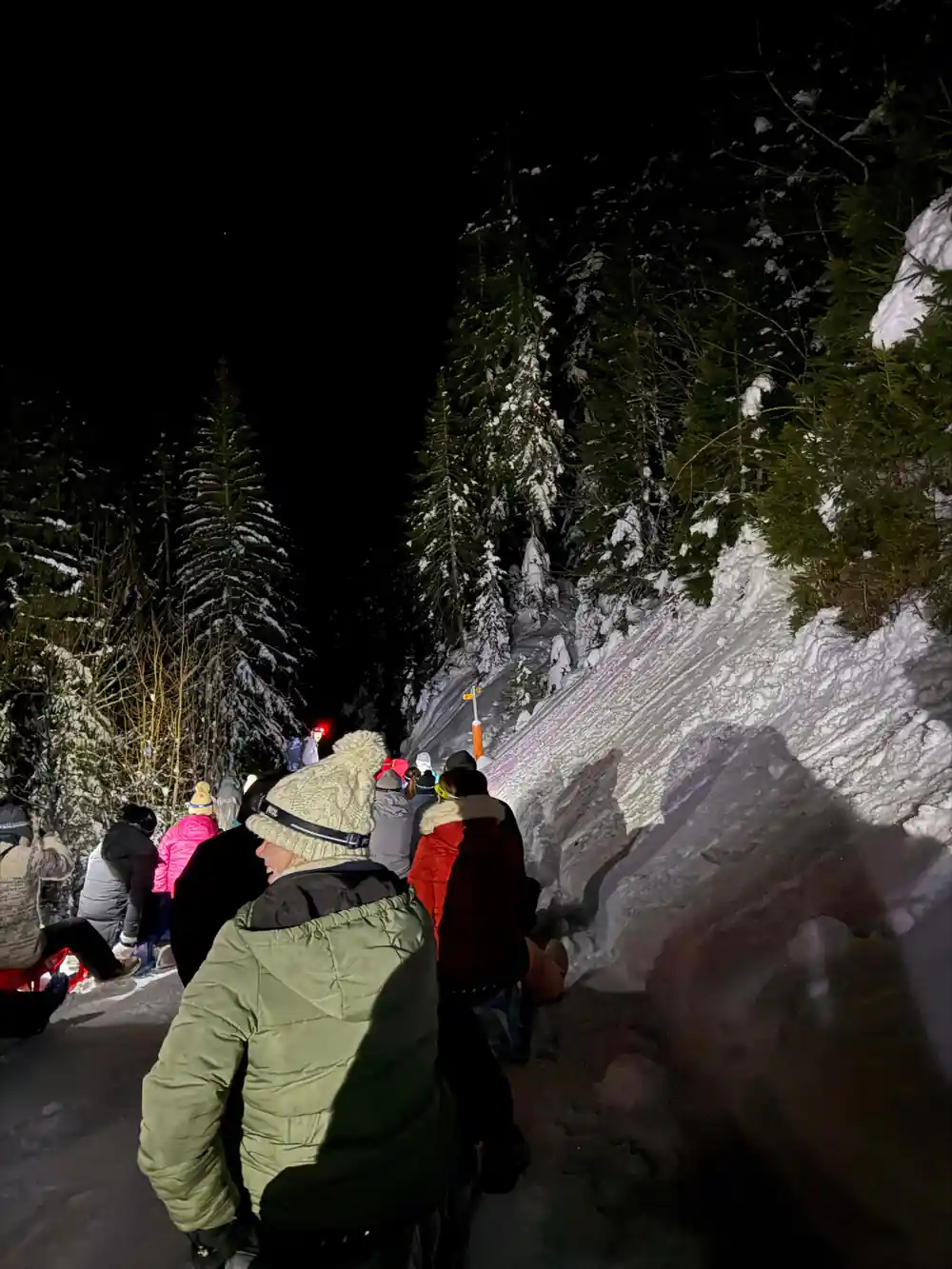
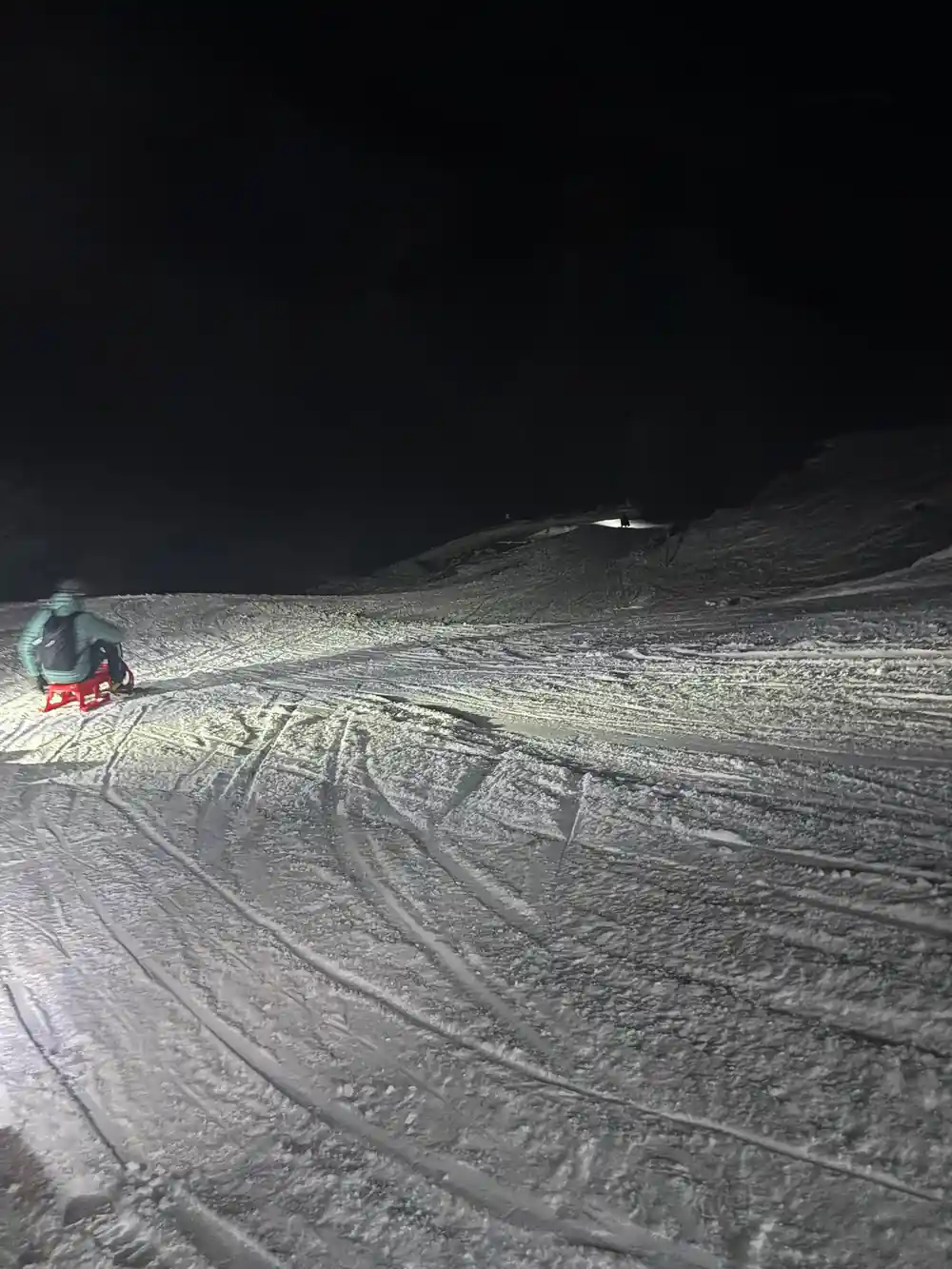
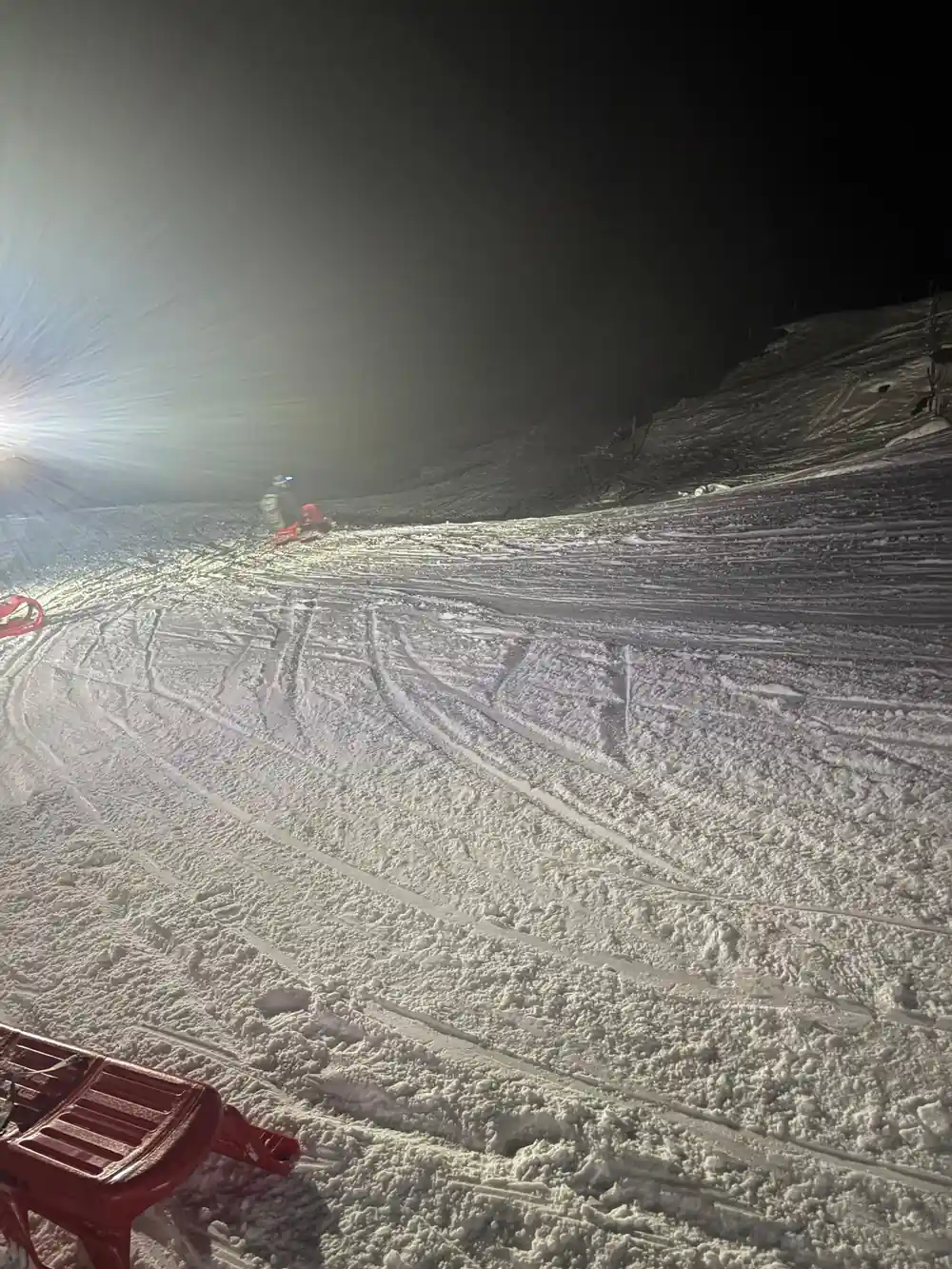
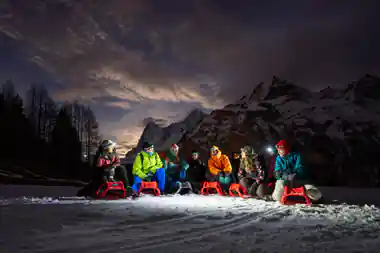
Schlitteln, sledging, tobogganing: same run, same sled
from US$123Reserve now & pay later